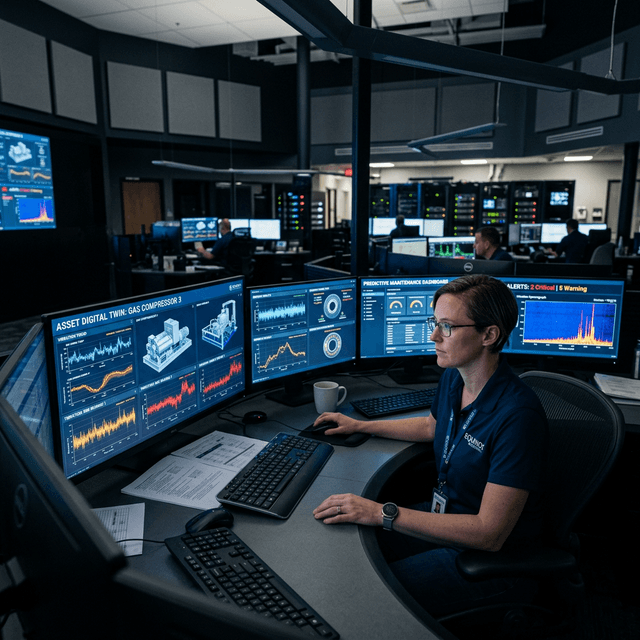
Rotating equipment risk detection
Detect early degradation patterns across pumps, compressors, motors, and other critical assets before they become failures.
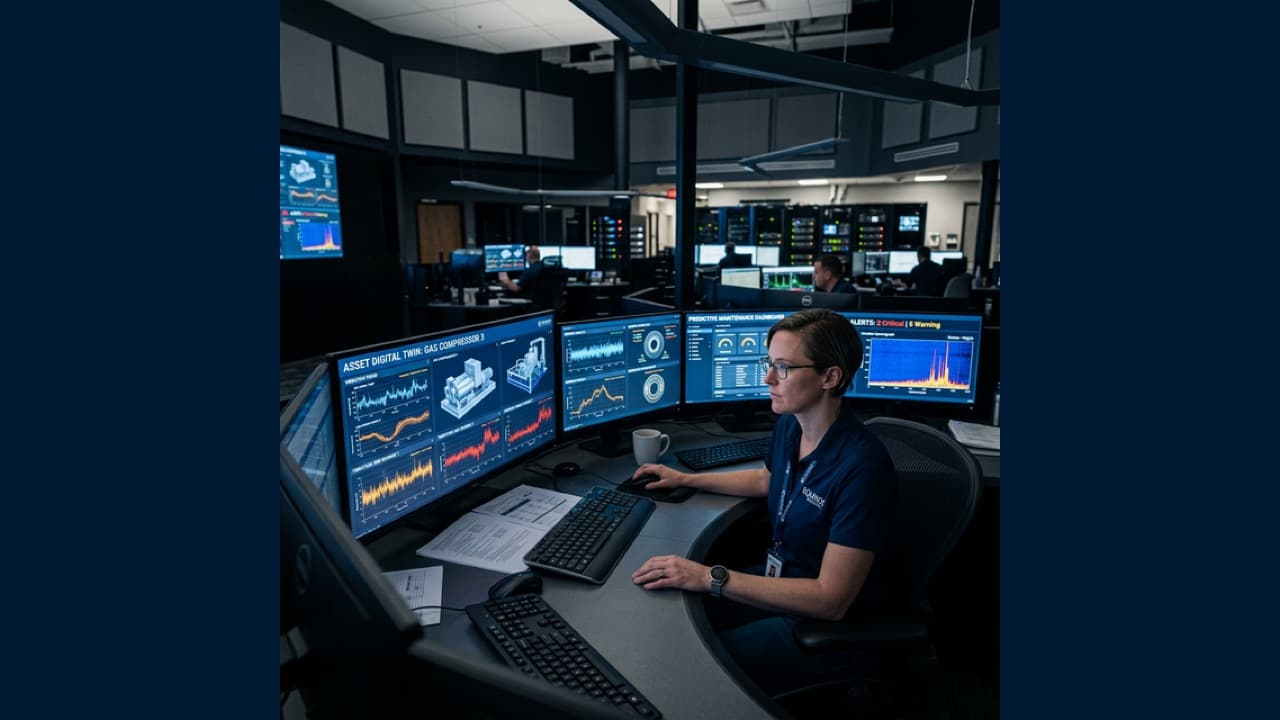
Predictive Maintenance for Industrial Operations
Move from alarm-heavy maintenance to AI-guided predictive maintenance with industrial sensing, digital twins, and closed-loop execution.
Connect data, workflows, and field execution so teams can understand context, act faster, and keep work traceable.
Bring vibration, temperature, current, pressure, historian tags, inspection records, and equipment metadata into one operational model through Data Fusion Services.
Use FactVerse AI Agent to compare trends, operating context, and asset relationships so maintenance teams can review likely degradation earlier.
Review equipment location, upstream and downstream dependencies, recent work, and site constraints inside the digital twin before dispatching field action.
Turn confirmed findings into Inspector work orders, guided field tasks, verification records, and maintenance follow-up without replacing the existing CMMS/EAM stack.
Preserve the signals, reasoning context, operator review, work record, photos, and completion notes that support maintenance decisions.
Start with a critical asset class or facility system, validate the signal quality and workflow fit, then expand across additional equipment.
Practical applications and proven success scenarios across industries.
Detect early degradation patterns across pumps, compressors, motors, and other critical assets before they become failures.
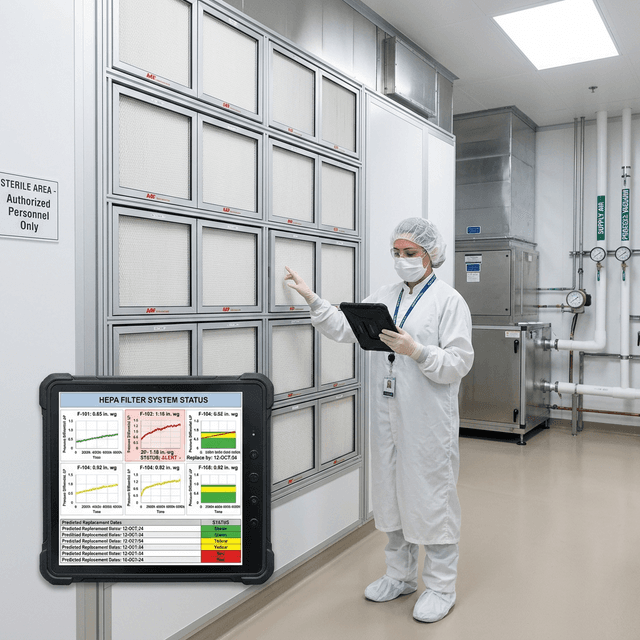
Correlate sensor signals, process context, and asset relationships to surface maintenance priorities earlier.
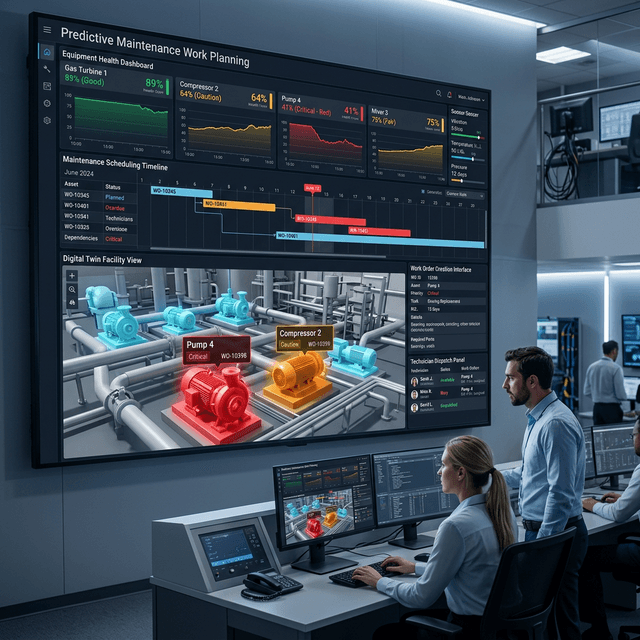
Connect anomaly review, maintenance planning, field execution, and verification in one operational loop.
Predictive maintenance helps maintenance teams answer a practical sequence of questions: what changed, which asset is affected, how credible is the signal, what else is connected to it, who should review it, and what work needs to happen next.
DataMesh approaches predictive maintenance as a governed operating loop. Industrial signals, asset context, AI-assisted analysis, digital twin review, and Inspector work records stay connected so the decision can be reviewed and improved over time.
Predictive maintenance combines trusted sensing, asset context, AI analysis, and twin-based review so teams can evaluate maintenance risk with more context and less guesswork.
Instead of reacting only after threshold alarms fire, teams can review emerging issues in context, prioritize the right assets, and move into planned action with less noise.
Predictive maintenance provides decision support for maintenance teams. DataMesh helps teams identify risk, review context, create work, and preserve evidence. Site teams define operating thresholds, approval rules, maintenance policies, safety procedures, and integration behavior with CMMS, EAM, BMS, or production systems.
Start with a focused asset class or facility system where data quality, maintenance history, and field workflow can be validated. Broader rollout should follow the evidence from the pilot, with savings and failure-risk assumptions adjusted to the verified operating context.
| Metric | Impact |
|---|---|
| Earlier signal review | Faster identification and prioritization of emerging maintenance issues |
| Unplanned downtime | Lower through earlier intervention and planned maintenance |
| False alarms | Reduced through trend-based analysis and contextual diagnostics |
| Maintenance execution | Faster handoff from detection to validated field action |
Typical starting points include vibration, temperature, current, pressure, historian tags, inspection records, and equipment metadata. Data Fusion Services connects them into one operational model.
Thresholds react after a limit is crossed. The FactVerse AI Agent predictive maintenance module evaluates trends, equipment behavior, and operational context to surface earlier and more trustworthy warnings.
Yes. Inspector and connected APIs can route detections into existing work order and maintenance systems and keep the current maintenance stack in place.
Continue with the most relevant products, solutions, guides, and public references for this topic.