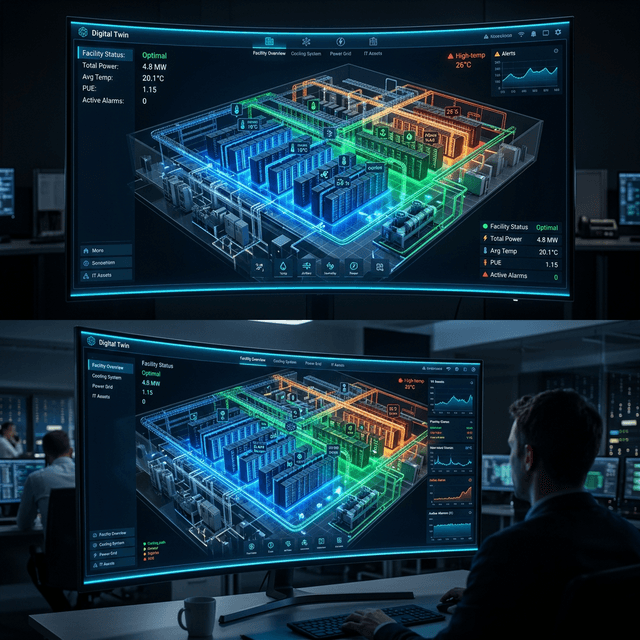
Multi-site data center digital twin
Standardize the view of overseas or distributed data centers so teams can inspect rooms, racks, power paths, facility assets, and live status in one place.
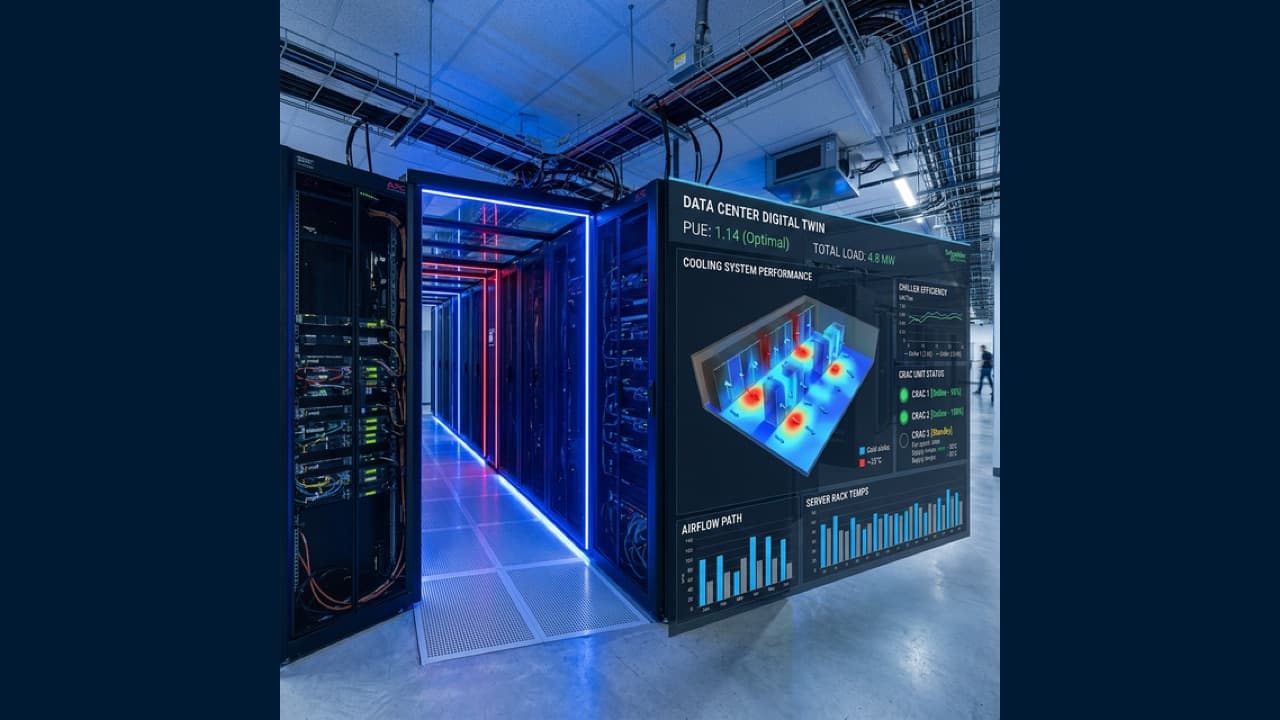
Digital twin operations for data centers
Connect facility assets, energy meters, inspections, maintenance records, and live infrastructure data into a data center digital twin for operational visibility.
Connect data, workflows, and field execution so teams can understand context, act faster, and keep work traceable.
Model rooms, racks, facility equipment, power paths, cooling zones, and service ownership in a shared spatial view.
Connect meters, BMS building management data, EPMS electrical power monitoring, DCIM infrastructure records, and sensors to calculate energy indicators and review operating trends by site, room, and asset.
Bring alarms, inspection routes, work orders, repair history, and equipment documents into the same operating context used by field teams.
Review rack moves, asset changes, maintenance windows, and capacity boundaries with traceable evidence before and after work is executed.
Practical applications and proven success scenarios across industries.
Standardize the view of overseas or distributed data centers so teams can inspect rooms, racks, power paths, facility assets, and live status in one place.
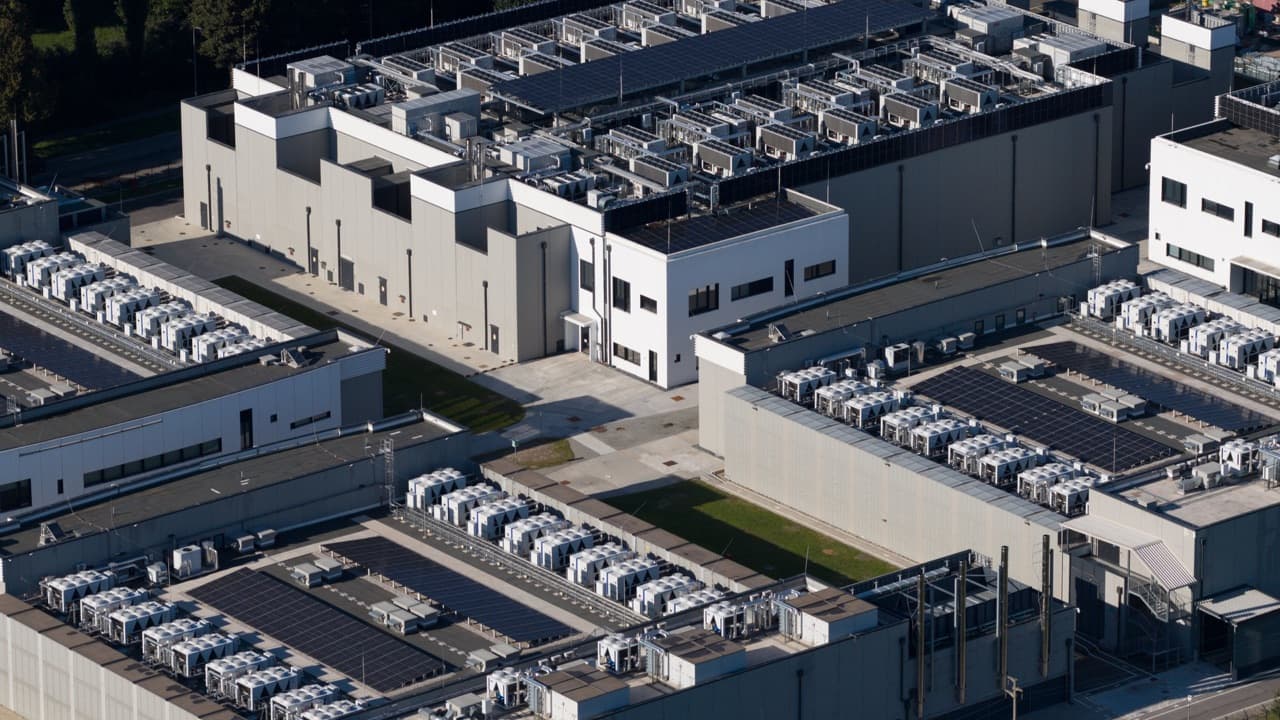
Calculate and compare energy use, meter readings, equipment trends, and operational records while keeping advanced efficiency work tied to validated data and engineering review.
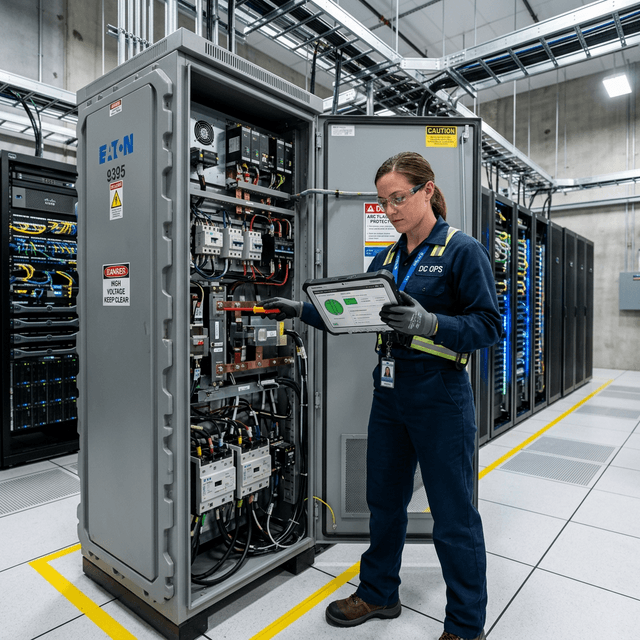
Use the twin to locate assets, understand alarm context, guide inspection and repair work, and preserve the evidence needed for management review.
Data center teams need a reliable shared view of assets, energy use, alarms, inspections, and maintenance work. In real deployments, the first value is often making multiple sites easier to understand, inspect, maintain, and report on, creating the foundation for later engineering optimization.
DataMesh has delivered multi-site overseas data center digital twin systems for an international telecom operator. That experience anchors this page: the solution is strongest when it connects facility assets, energy calculation, inspection and repair workflows, and operational visualization into one reliable digital twin.
| Traditional DCIM | Data Center Operations |
|---|---|
| Monitoring dashboards | Spatial facility context shared by operations, inspection, and maintenance teams |
| Separate asset spreadsheets | Room, rack, equipment, and service ownership organized in a digital twin |
| Energy figures reviewed in isolation | Energy calculation and trend review tied to assets, rooms, and sites |
| Alarms reviewed without field context | Alarm, inspection, repair, and work-order history shown around the asset |
| Optimization claims detached from workflow evidence | Practical operating records that can support later engineering optimization |
Teams use this workflow to validate operational value through a focused rollout: clearer asset ownership, more reliable site visualization, better energy and maintenance records, faster inspection handoffs, and cleaner evidence for management review. Exact impact depends on site scope, data readiness, workflow maturity, and rollout depth.
Public DataMesh material includes data-center DLC updates, facility digital twin deployments, and industrial predictive-maintenance announcements. A practical starting scope covers asset management, energy calculation, inspection and maintenance workflows, and facility visualization. Advanced efficiency or cooling-control work can follow as a separate engineering phase with validated site data, approved rules, and customer-controlled operating procedures.
Data Fusion Services connects to existing monitoring and control systems through standard protocols and APIs. Data Center Operations adds spatial twin context, asset relationships, energy calculation, and inspection or maintenance workflows on top of current infrastructure.
The baseline scope is visibility, asset management, energy calculation, inspection and maintenance support, and engineering review. Advanced efficiency or cooling-control optimization requires site-specific engineering rules, validated data, customer approval, and a controlled operating process.
Yes. The same operating model can compare sites, standardize asset and energy reporting, and help teams see the highest-priority inspection, maintenance, and facility issues across a portfolio.
Teams should expect clearer asset context, more consistent energy and operations records, faster inspection and maintenance handoffs, and better evidence for management review. Advanced optimization can be explored later once data quality and operating processes are proven.
Continue with the most relevant products, solutions, guides, and public references for this topic.